PMOS stands for Poly-endocrine Metabolic Ovary Syndrome, a hormonal condition that can affect the ovaries, menstrual cycle, hormone levels and fertility.
PMOS is one of the most common hormonal conditions among women of reproductive age. It can affect overall wellbeing and may increase the risk of certain long-term health concerns when left unmanaged.
Affects ovarian function

Impacts hormone levels

Can cause irregular cycles

May affect fertility
The Reality of PMOS

1/10
women suffer from PMOS (a complex hormonal condition that affects the ovary)

3%
annual increase of incidents
50%
develop type 2 diabetes by age 45

80%
struggle with infertility

3x
more likely to be diagnosed of anxiety and depression

3x
increase risk of endometrial cancer
Why Women Need Better PMOS Support
PMOS is complex, and managing it often requires more than addressing a single symptom.
Current approaches to PMOS management may focus on specific concerns such as hormonal regulation, insulin sensitivity, menstrual cycles or fertility. While these approaches can play an important role, women are still faced with questions around effectiveness, suitability and potential side effects.
At the same time, the growing number of PMOS-related products in the market can make it difficult to distinguish between solutions that are evidence-based, safe and genuinely developed for the needs of women with PMOS.
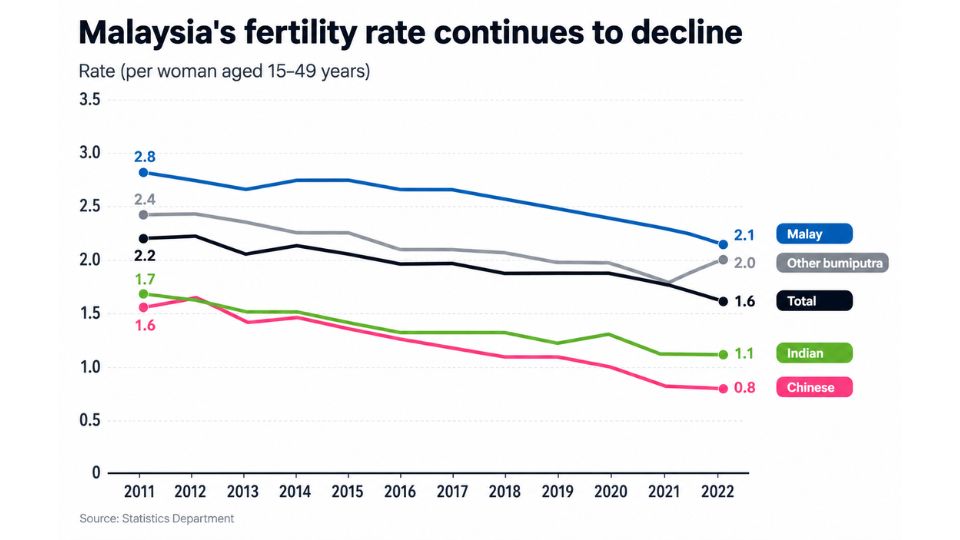
Poly-endocrine metabolic ovary syndrome (10 to 15%). 1 million among women of reproductive age.

No current cure for PMOS
Efficacy
Does it provide meaningful support?
Safety
Has it been properly evaluated?
Trust
Is there credible evidence behind it?