
The Science behind Vital-C
From formulation development to efficacy and safety evaluation, Vital-C is built around evidence, quality and responsible product development.

Identify the PMOS Challenge
Understand the multiple dimension of PMOS.

Develop the Formulation
Create a nutraceutical formulation designed to address multiple areas of support.
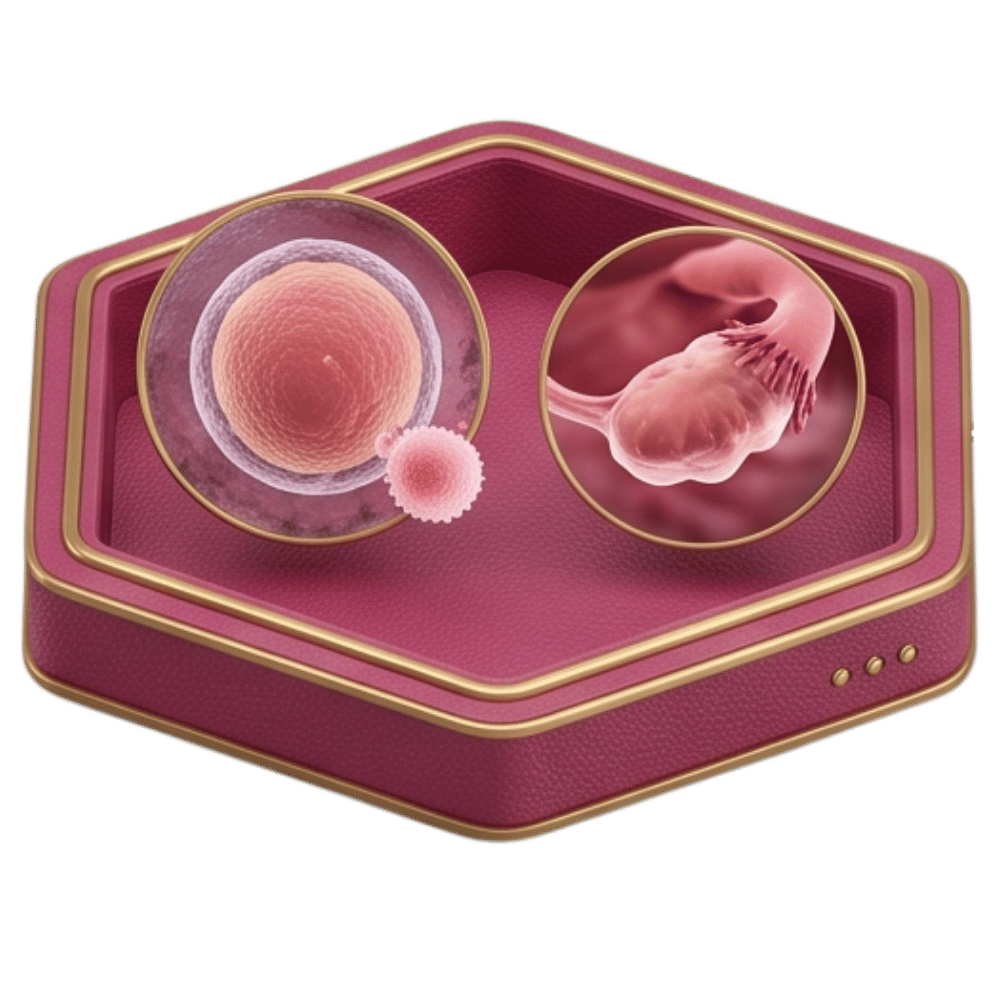
Evaluate Efficacy
Assess measurable outcomes related to ovarian and reproductive health.

Standardize & Safety
Assess potential effects on key organs at the recommended dosage.

Quality Control
Move towards a consistent quality-controlled formulation.
Our Approach
From Research to Formulation
Vital-C was developed around the need for a more comprehensive approach to PMOS support. The formulation focuses on multiple areas relevant to PMOS, including ovarian health, ovulation and fertility, androgen / testosterone regulation, menstrual cyclicity and safety at the recommended dosage.

Efficacy
Evaluated Across Multiple Areas of PMOS Support
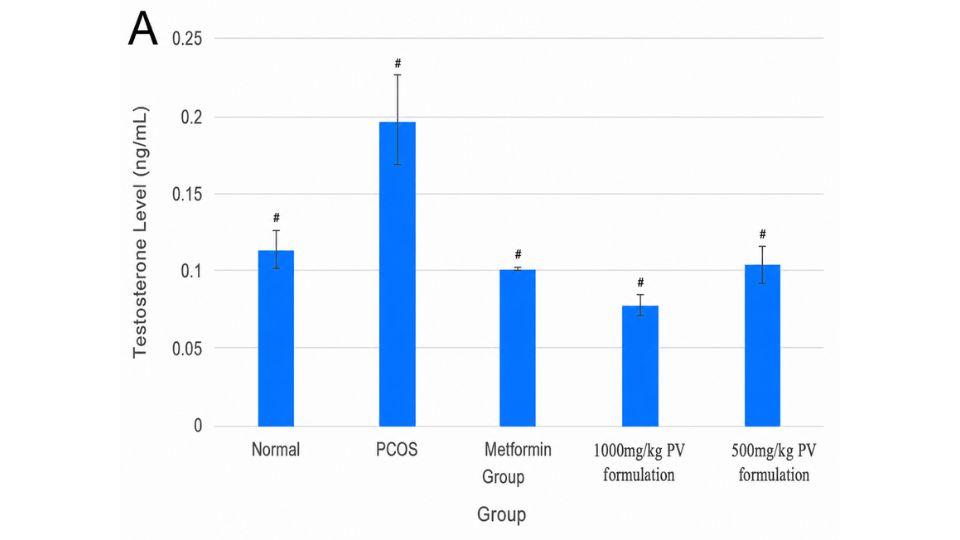
Vital-C formulation reduces male hormone level
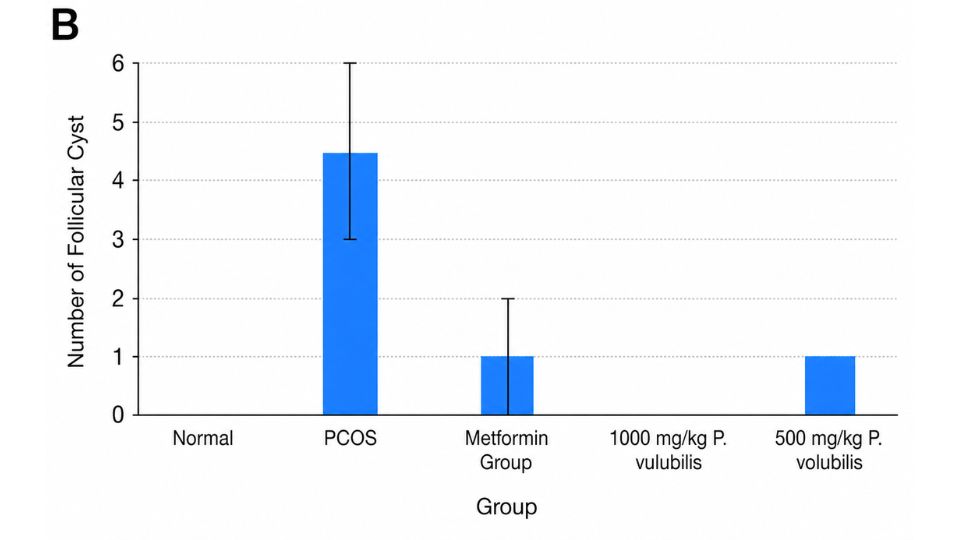
Reduces number of ovarian cysts
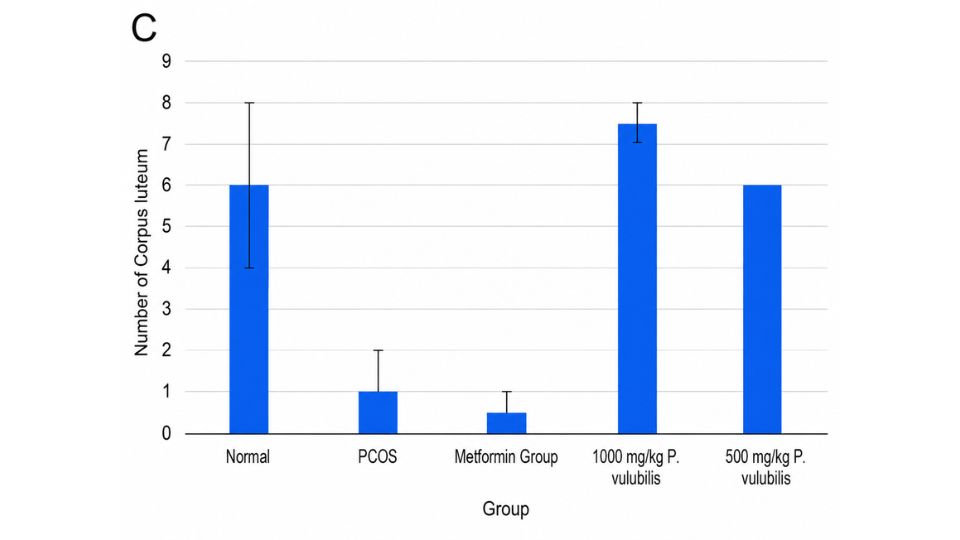
Improve fertility parameters
Safety
Efficacy Matters. Safety Matters Just as Much
According to the research data presented by the development team, Vital-C passed preclinical and clinical efficacy and safety evaluation.
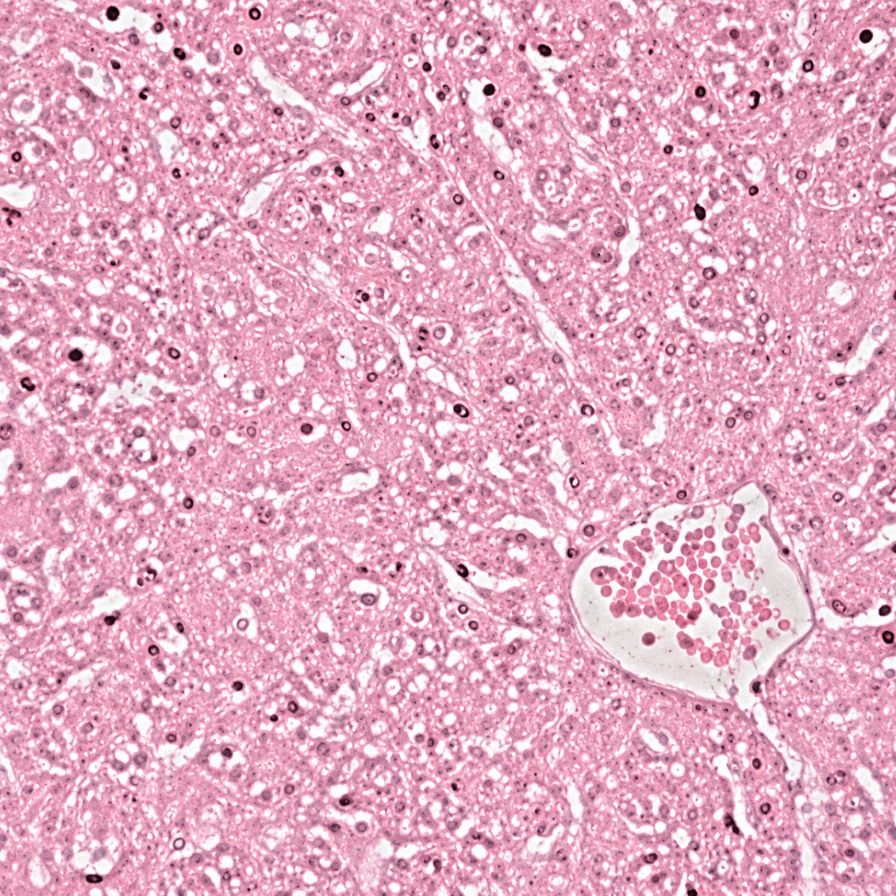
Liver
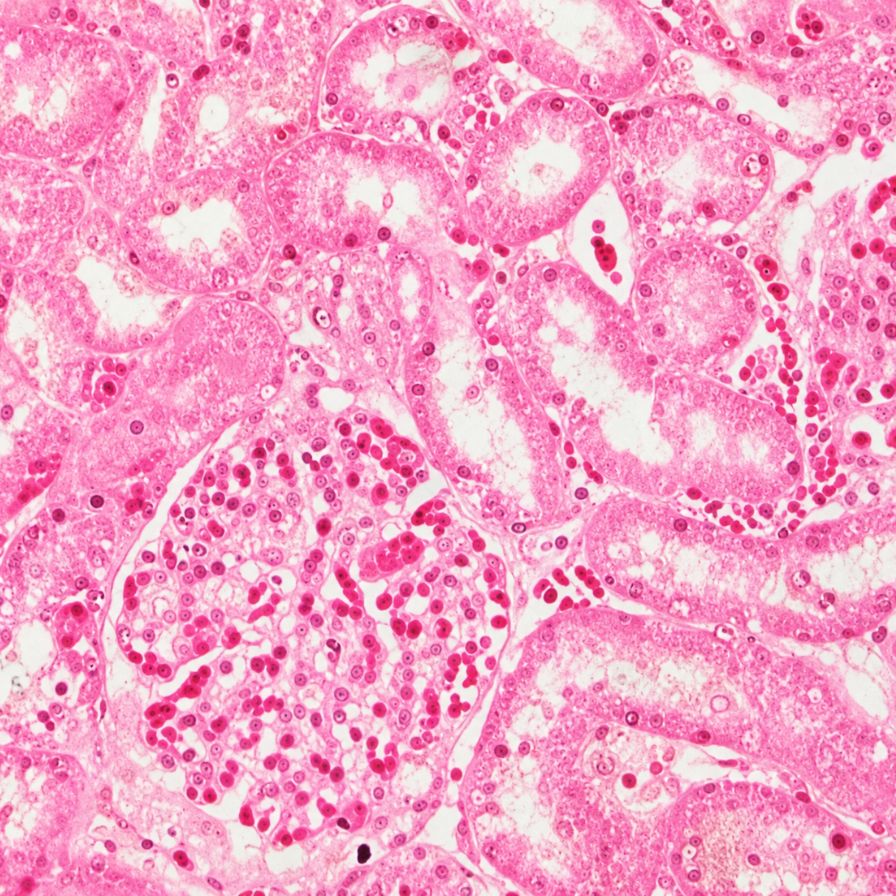
Kidney
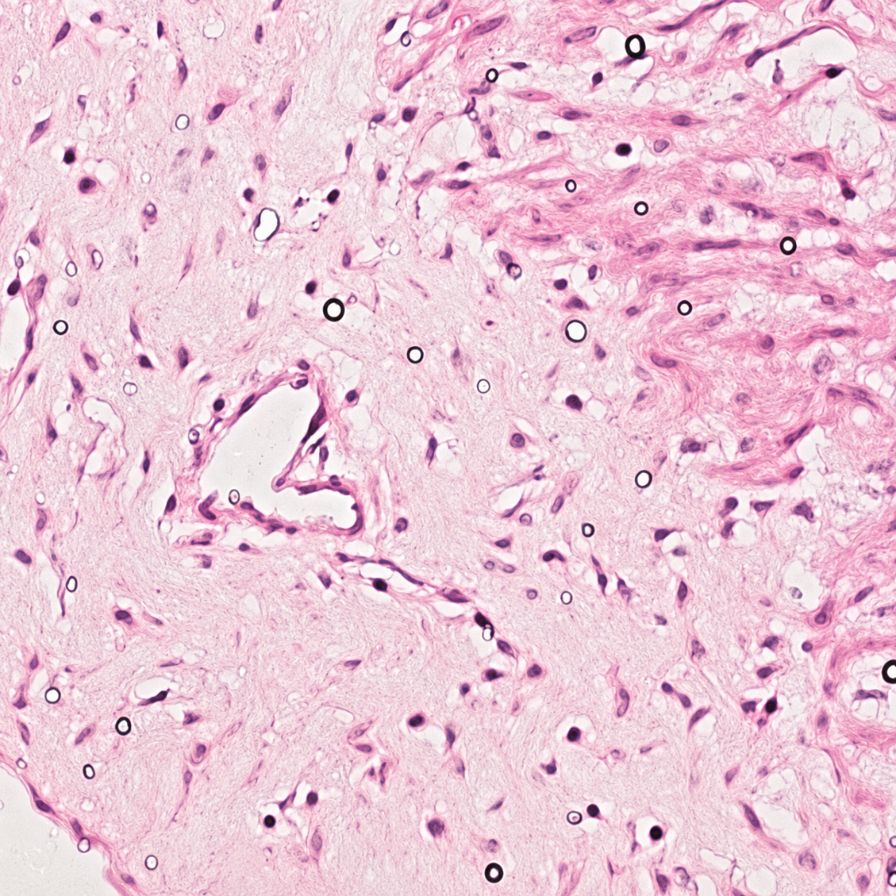
Uterus
Formulation
Designed as a Comprehensive PMOS Formulation
Rather than focusing on a single symptom, the Vital-C formulation was developed as a broader nutraceutical approach supporting ovarian, hormonal, menstrual and fertility-related outcomes.
Ovarian Health

Hormonal Regulation

Menstrual Cyclicity

Fertility Support
Assurance
Developed With Quality and Assurance in Mind
Halal Assurance
The formulation is designed around a proprietary halal recipe using natural ingredients.
Evidence-Based Efficacy
The formulation was developed around measurable efficacy and safety outcomes rather than a single-symptom approach.
Quality Control
Development includes extensive quality-control analysis aligned with NPRA requirements.